Shopping Cart



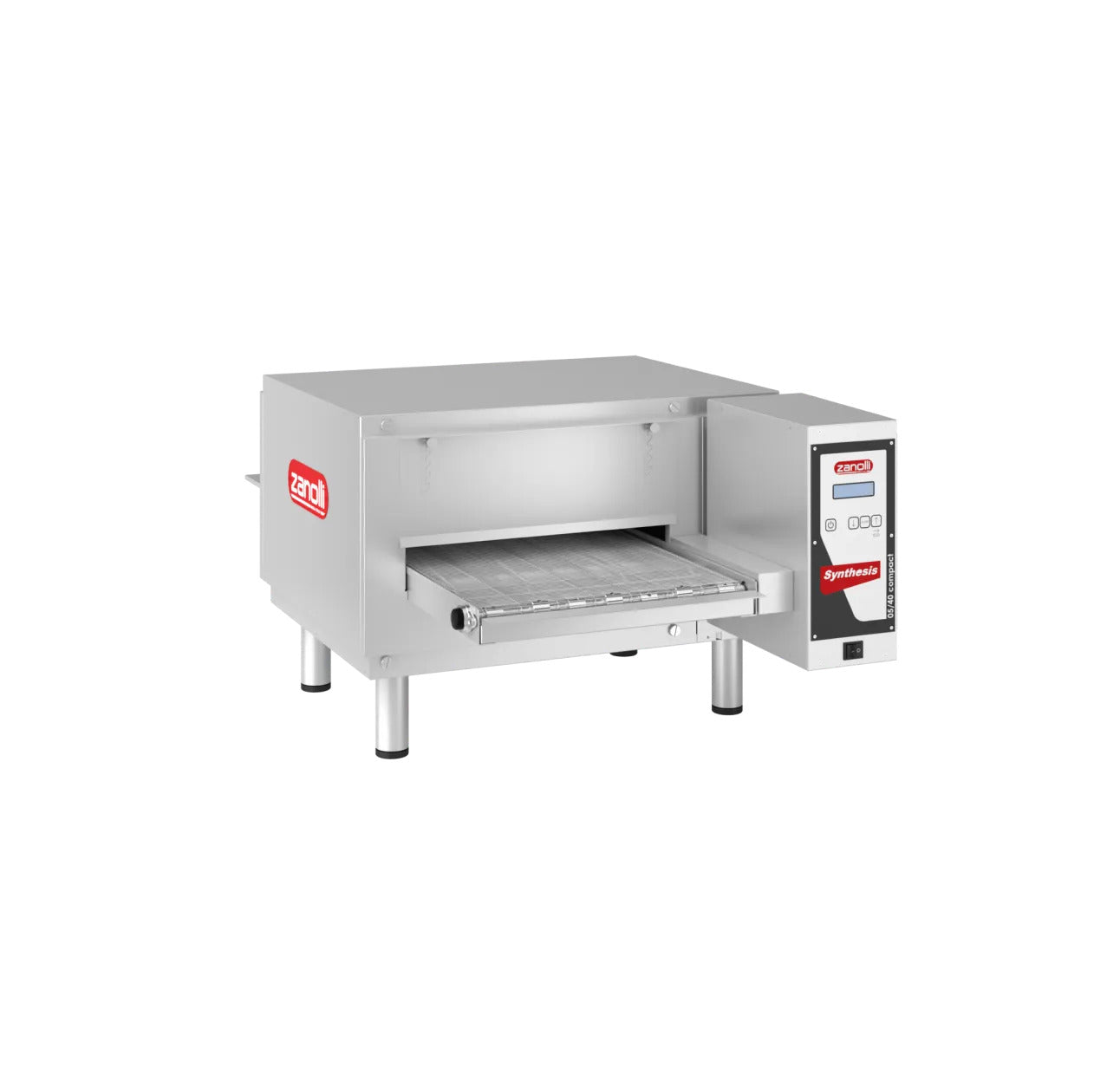
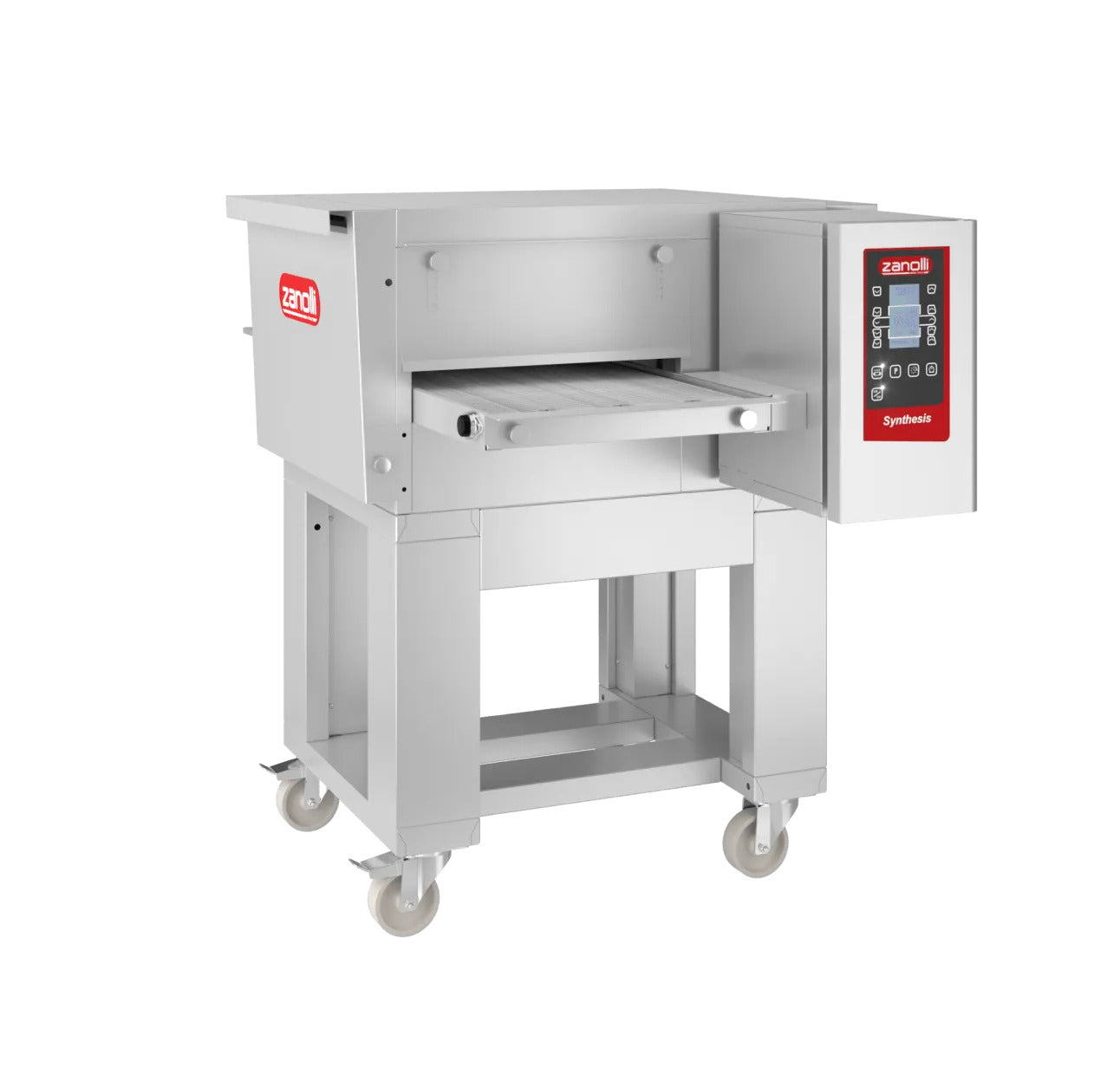
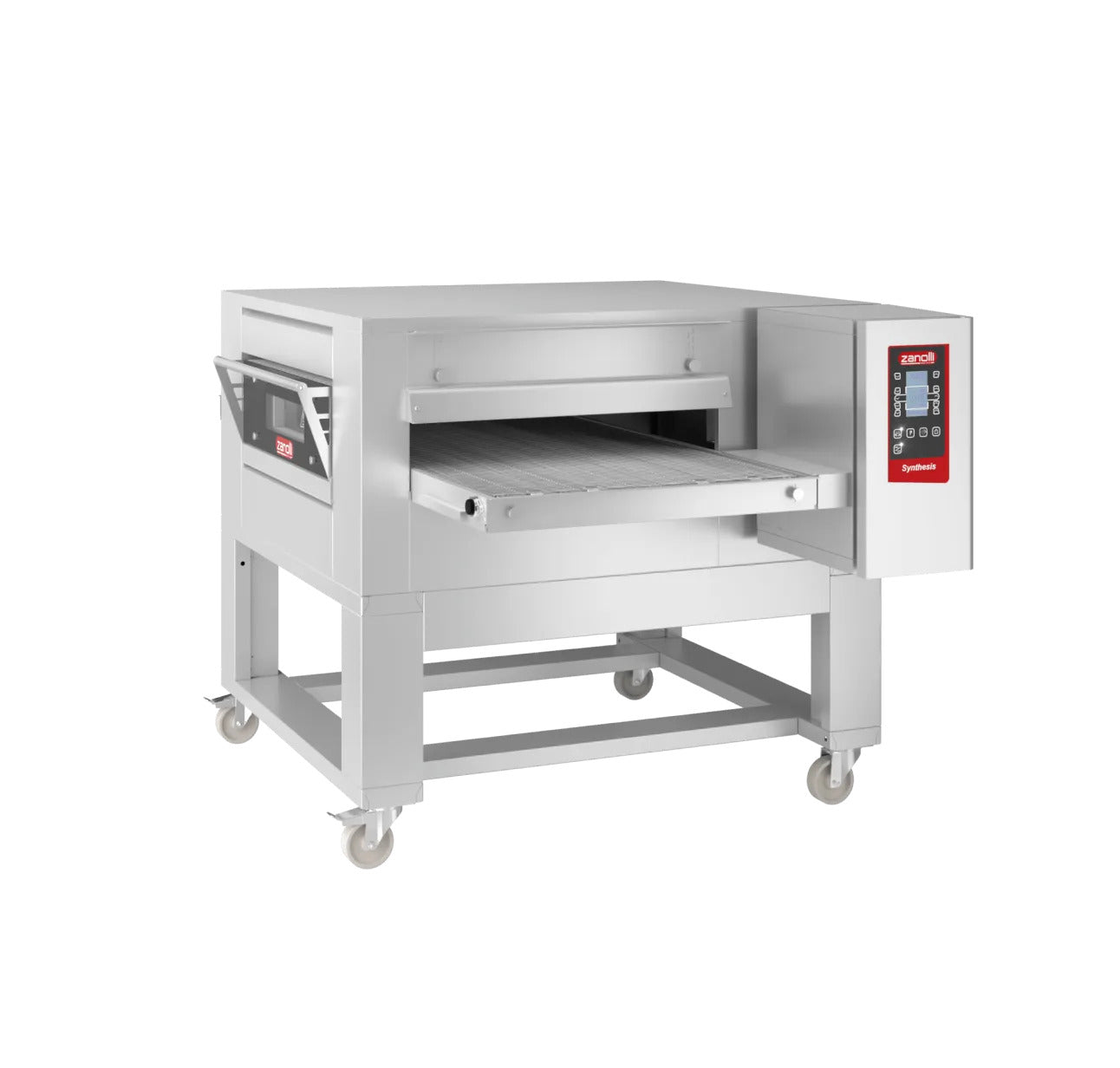
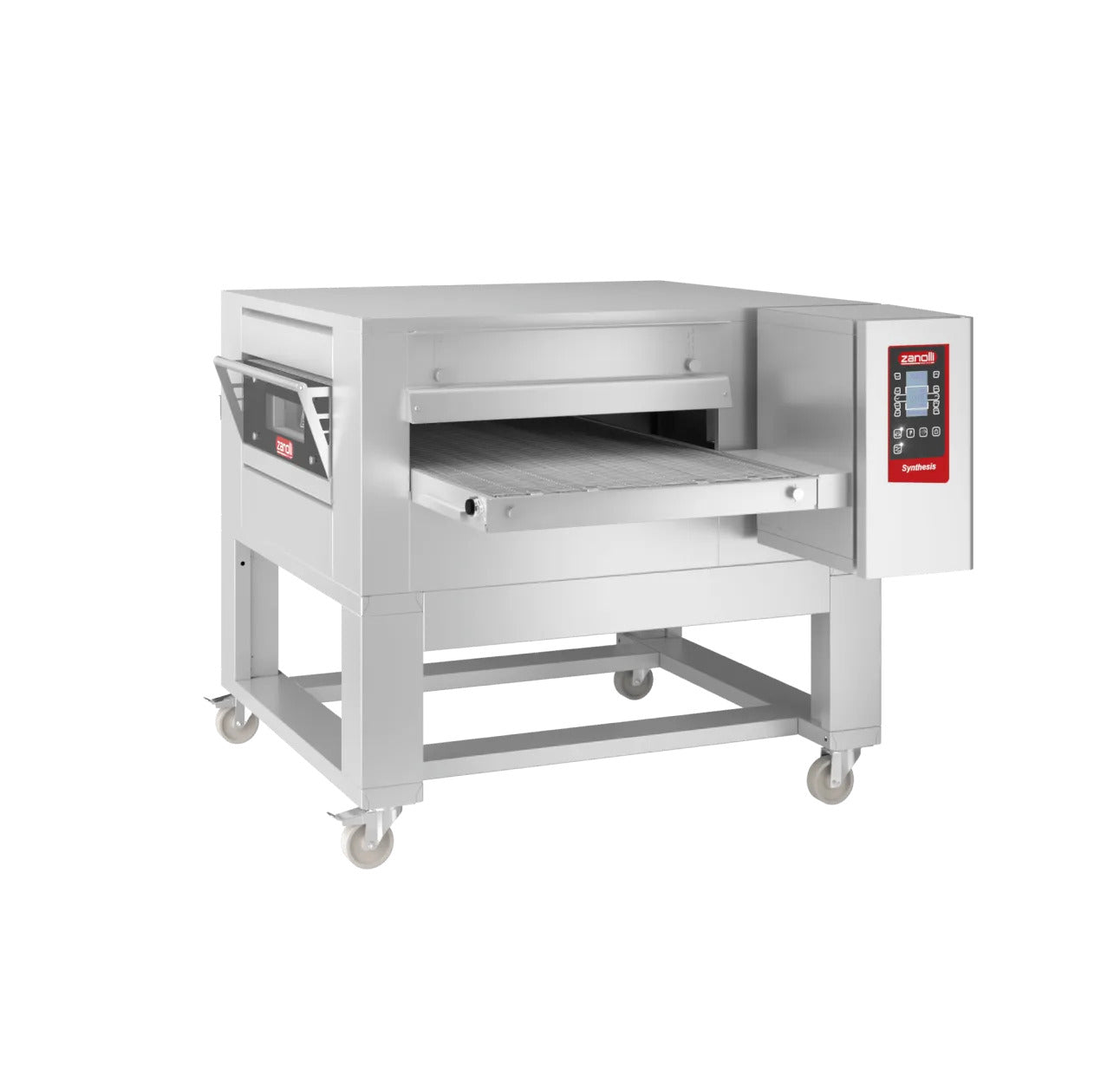
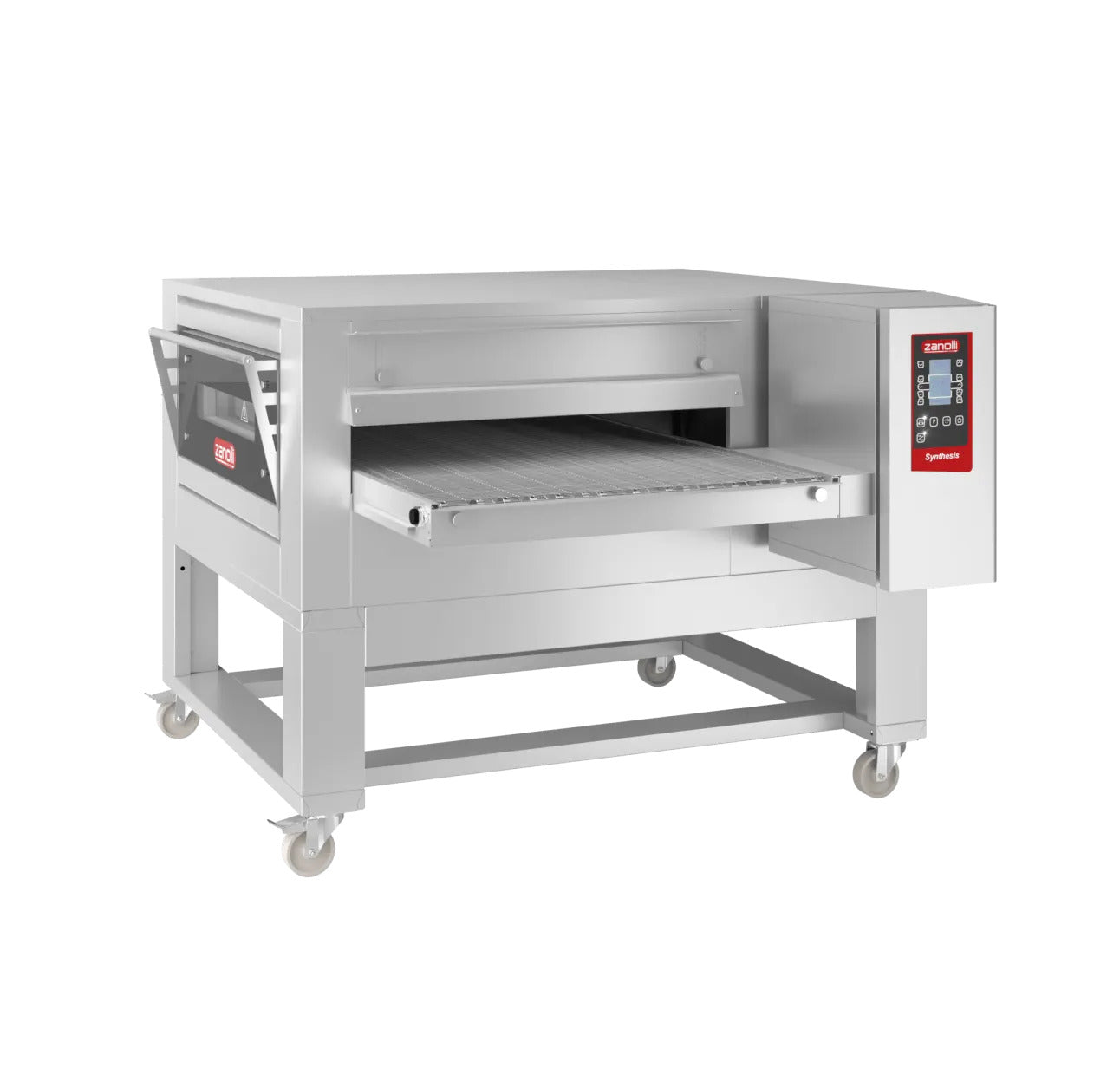


| SYNTHESIS MODEL | External Dimensions cm | Internal Dimensions cm | Weight kg | Max. Temperature °C | Power Kw | Voltage | N° of pizzas/hour |
|---|---|---|---|---|---|---|---|
| 05/40 ELECTRIC 30 Pizzas/h | L80xD127xH39cm | 40x57x9 | 77 | 320 | 6.3 | 380 V - 50 Hz - 3 ph+T | 30 (ø 30 cm) |
| 06/40 ELECTRIC 35 Pizzas/h | L98xD130xH44cm | 40x58x9.5 | 105 | 320 | 7.9 | 380 V - 50 Hz - 3 ph+T | 35 (ø 30 cm) |
| 08/50 ELECTRIC 60 Pizzas/h | L126XP175XH49cm | 50x85x10 | 180 | 320 | 14.2 | 380 V - 50 Hz - 3 ph+T | 60 (ø 30 cm) |
| 11/65 ELECTRIC 120 Pizzas/h | L14XP200XH55cm | 65x110x10 | 222 | 320 | 18.5 | 380 V - 50 Hz - 3 ph+T | 120 (ø 30 cm) |
| 12/80 ELECTRIC 155 Pizzas/h | L165xD218xH60cm | 80x120x10 | 295 | 320 | 24.9 | 380 V - 50 Hz - 3 ph+T | 155 (ø 30 cm) |
| 12/100 ELECTRIC 200 Pizzas/h | L182xD245xH72cm | 100x130x10 | 450 | 320 | 44.9 | 380 V - 50 Hz - 3 ph+T | 200 (ø 30 cm) |
| 06/40 GAS 35 Pizzas/h | L103xD130xH44cm | 40x58x9.5 | 115 | 320 | 9 (7,700 kcal/h) | 380 V - 50 Hz - 3 ph+T | 35 (ø 30 cm) |
| 08/50 GAS 60 Pizzas/h | L126xD175xH49cm | 50x85x10 | 200 | 320 | 13.9 (12,000 kcal/h) | 380 V - 50 Hz - 3 ph+T | 60 (ø 30 cm) |
| 11/65 GAS 120 Pizzas/h | L155xD200xH55cm | 65x110x10 | 252 | 320 | 24 (24,650 kcal/h) | 380 V - 50 Hz - 3 ph+T | 120 (ø 30 cm) |
| 12/80 GAS 155 Pizzas/h | L168xD218xH60cm | 80x120x10 | 315 | 320 | 30 (25,800 kcal/h) | 380 V - 50 Hz - 3 ph+T | 155 (ø 30 cm) |
| 12/100 GAS 200 Pizzas/h | L198xD245xH72cm | 100x130x10 | 490 | 320 | 45 (38,700 kcal/h) | 380 V - 50 Hz - 3 ph+T | 200 (ø 30 cm) |
A conveyor pizza oven is an automated cooking system in which products move through a thermal chamber on a conveyor belt. This technology ensures a continuous and standardized production cycle: by setting the temperature and belt speed, bottlenecks are eliminated and the need for constant supervision is minimized.
To deliver maximum operational efficiency, we offer the Synthesis model. A true top-of-the-range solution from Zanolli, this pizza oven is the definitive choice for high-volume production environments that require extreme reliability and complete control over the cooking process.
Available in both electric and gas versions, the Zanolli Synthesis conveyor oven represents the perfect balance between technological innovation and operational efficiency. Designed to reduce costs and optimize your workflow, it offers:
In addition, all Synthesis modular conveyor ovens are stackable. This space-saving solution allows you to multiply production capacity during peak periods without increasing floor space.
To complement your new conveyor oven and optimize your entire production line, explore our selection of pizzeria equipment.
Choosing the right equipment is a strategic investment for your laboratory’s efficiency. To help you fully evaluate the potential of the Synthesis oven and understand how it can transform your production line, we have answered the most common questions from industry professionals.
The Synthesis range is designed to adapt to different space requirements and production volumes. Hourly productivity varies depending on the selected model and the characteristics of your dough (weight, hydration, toppings).
Using a classic 30 cm round Margherita pizza as a reference (300 g weight, 55–60% hydration, approximately 3 minutes cooking time), here are the side-by-side capacities and estimated maximum hourly production for each belt size:
| Model | Belt width | Pizza layout | Approx. output (pizzas/hour) |
|---|---|---|---|
| Mod. 12/100 | 100 cm belt | 3 pizzas side by side | ~200 |
| Mod. 12/80 | 80 cm belt | 3 staggered pizzas | ~155 |
| Mod. 11/65 | 65 cm belt | 2 pizzas side by side | ~120 |
| Mod. 08/50 | 50 cm belt | 2 staggered pizzas | ~60 |
| Mod. 06/40 | 40 cm belt | 1 pizza at a time | ~35 |
| Mod. 05/40 | 40 cm belt | 1 pizza at a time | ~30 |
Absolutely not. Versatility is one of its strongest advantages. The combined action of forced convection and the automatic conveyor allows you to manage a wide range of menu items. It is ideal for cooking or regenerating trays of lasagna, grilled vegetables, croissants, baked goods, fish skewers, chicken wings, prawns, paella, tortillas, bread, and Roman pinsa.
If your venue focuses exclusively on Neapolitan tradition, consider the performance and design of the Zanolli AVGVSTO electric oven for Neapolitan pizza.
It depends on the chosen power supply. The gas version requires connection to a flue to expel combustion fumes. The electric version does not require any flue, greatly simplifying installation.
In terms of thermal performance and hourly productivity, the two models are equivalent. The difference lies in the venue’s infrastructure: the gas version requires structural and regulatory adjustments for exhaust systems. The electric version stands out for its ease of installation, making it suitable for integration into almost any environment without specific technical constraints.
Typically, loading takes place on the side opposite the control panel. This ergonomic configuration allows the operator to monitor the output, check final results, and intervene immediately via the display if necessary without moving position. However, if your layout requires it, the conveyor direction can be reversed during installation; once configured, this setting becomes permanent.
Don't forget recently viewed products. Add them to your cart.